
Introduction: A Deck of Endless Possibilities
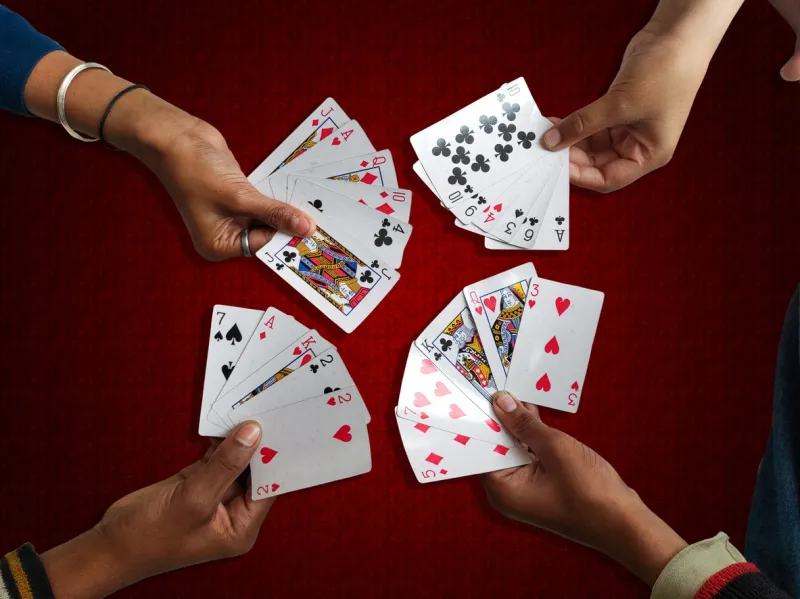
A simple deck of 52 cards holds within it an entire universe of entertainment, strategy, tradition, and connection. Card games — from poker tables in Monte Carlo to quiet kitchens lit by candlelight — have transcended generations, continents, and cultures. Despite evolving technologies and changing tastes, the card game remains a symbol of human interaction and intellectual play. It is a pastime that adapts to its environment yet refuses to lose its intrinsic charm. Whether played for stakes, for sport, or for storytelling, card games offer far more than amusement — they are a living reflection of human ingenuity.
A Brief History: From Ancient Paper to Parlour Prestige
Card games date back over a thousand years, with origins believed to lie in 9th-century China. These early games used woodblocks and paper scrolls long before Europe ever shuffled a deck. By the late 14th century, card games had arrived in Europe through Islamic territories, where Mamluk playing cards introduced stylized suits and royalty — motifs that would soon define the Western deck.
As printing technologies advanced, so too did the popularity of card games. They became common in the courts of kings and queens, evolving into refined pursuits of both strategy and status. The French standardized the deck we know today: hearts, diamonds, clubs, and spades, complete with kings, queens, and jacks. Over time, hundreds of games emerged, each tailored to cultural preferences, levels of complexity, and desired outcomes — from the psychological warfare of poker to the silent calculation of bridge.
The Appeal of Card Games: More Than Meets the Eye
The enduring popularity of card games lies in their unique blend of accessibility and depth. A child can learn to play Go Fish in five minutes, yet an adult can spend a lifetime mastering the subtleties of contract bridge or Texas Hold’em.
Key elements of appeal include:
-
Strategic Depth: Many card games, while based on random dealing, demand skill in decision-making, probability analysis, and psychological reading.
-
Social Interaction: Whether competitive or cooperative, card games foster face-to-face engagement, conversation, and connection.
-
Portability and Simplicity: A deck of cards fits in a pocket yet offers dozens of possible games, requiring no power source, no internet, and no elaborate setup.
-
Tradition and Ritual: Many card games are passed down through families or learned at the knees of grandparents, carrying emotional significance and cultural memory.
-
Versatility: Card games can be solitary (like Solitaire), partnered (like Spades), competitive (like Poker), or even educational (like Memory games for children).
It is this layered experience — part game, part interaction, part ritual — that continues to enchant new generations.
Categories of Card Games: A World Within a Deck
Card games can be broadly classified into categories based on gameplay structure and objective. Each category serves different tastes and contexts.
1. Trick-Taking Games
These involve players competing to “win” rounds or tricks using strategic play of higher cards.
-
Examples: Bridge, Hearts, Spades, Euchre
-
Appeal: Demands foresight, communication (especially in partnership games), and memory.
2. Shedding Games
The goal is to be the first to discard all your cards.
-
Examples: Uno, Crazy Eights, President
-
Appeal: Fast-paced and often light-hearted, these games are perfect for casual social settings.
3. Matching or Pattern-Based Games
Players match cards according to rules or sequences.
-
Examples: Rummy, Mahjong (card variant), Set
-
Appeal: Emphasizes pattern recognition, quick thinking, and often a keen memory.
4. Gambling and Bluffing Games
These are often associated with betting, risk-taking, and psychological strategy.
-
Examples: Poker, Blackjack, Three Card Brag
-
Appeal: Combines math, psychology, and nerve — with real or simulated stakes to raise intensity.
5. Solitaire and Patience Games
Designed for solo play, these games often involve arranging cards into specific orders or sets.
-
Examples: Klondike, Spider, FreeCell
-
Appeal: Offers a meditative, strategic experience — often used for relaxation or personal challenge.
The Social and Cultural Significance of Card Games
Beyond the mechanics of play, card games occupy a rich cultural space. They are featured in literature, film, and folklore as symbols of chance, deception, and fate. From the poker-faced outlaw in Westerns to the elegant bridge player in a Jane Austen novel, cards convey much more than entertainment.
In different cultures, cards have specific significance:
-
In India, Teen Patti and Rummy are Diwali staples, tied to themes of prosperity and luck.
-
In France, Belote is a beloved national pastime, especially among older generations.
-
In Japan, Hanafuda cards represent an entirely different visual and symbolic tradition, used in games with deep cultural roots.
-
In America, poker has evolved into both a national hobby and a professional sport, with televised tournaments and celebrity players.
Card games often serve as equalizers — breaking down social barriers, facilitating intergenerational bonding, and creating shared moments in ways few other activities can.
The Digital Evolution: Card Games in the 21st Century
With the advent of digital gaming, card games have found new life online. Mobile apps, multiplayer platforms, and artificial intelligence opponents have redefined accessibility and community.
Key developments include:
-
Online Multiplayer: Sites like Bridge Base Online or PokerStars allow global players to connect and compete.
-
Mobile Gaming: Casual games like Solitaire, Hearthstone, and UNO have amassed millions of users across app stores.
-
AI and Tutorials: New players can now learn at their own pace, with digital coaches and automated scoring.
-
Streaming and Spectatorship: Platforms like Twitch have turned competitive card games into spectator events, with personalities and followers.
While the screen may replace the table, the essence of play — strategic thinking, anticipation, and surprise — remains intact.
Conclusion: A Deck That Endures
Card games continue to thrive because they touch something elemental in human nature. They reward patience, courage, memory, and intuition. They encourage conversation, storytelling, rivalry, and trust. They teach us how to lose gracefully and win with humility.
In a world increasingly dominated by ephemeral digital trends, the humble deck of cards endures as a tangible, timeless artifact — simple to hold, rich with possibility, and endlessly replayable. Whether shuffled by hand or animated on a screen, the card game remains one of humanity’s most enduring and beloved inventions.