Introduction: A Game of Infinite Depths
Poker is more than a card game—it is a dynamic blend of psychology, probability, discipline, and emotional intelligence. Unlike many games of chance, poker rewards strategy and skill over time, transforming it into a contest of intellect rather than pure luck. For centuries, it has held a captivating allure for casual players and seasoned professionals alike, transcending its gambling roots to become a cultural phenomenon. From private home games to high-stakes televised tournaments, poker continues to enchant minds and test spirits.
The Origins and Evolution of Poker
Poker’s true origins remain somewhat mysterious, with elements believed to have been borrowed from various European and Persian games. The French game “Poque” and the German “Pochen” bear the closest resemblance, both involving betting and bluffing. As the game migrated to America, particularly through New Orleans in the early 1800s, it evolved into the modern versions we know today. During the 20th century, poker’s popularity surged with the advent of tournaments, most notably the World Series of Poker (WSOP). The early 2000s saw an online poker boom, fueled by televised events and internet accessibility, allowing millions to learn, play, and compete globally.
Understanding the Fundamentals
At its core, poker is a game of incomplete information. Each player is given limited data—their hand—and must deduce their opponents’ intentions through observation, betting patterns, and timing. The most popular form, Texas Hold’em, involves each player receiving two private cards and combining them with five community cards to make the best five-card hand.
Key components include:
-
Betting Rounds: Pre-flop, flop, turn, and river betting offer opportunities for strategic maneuvering
-
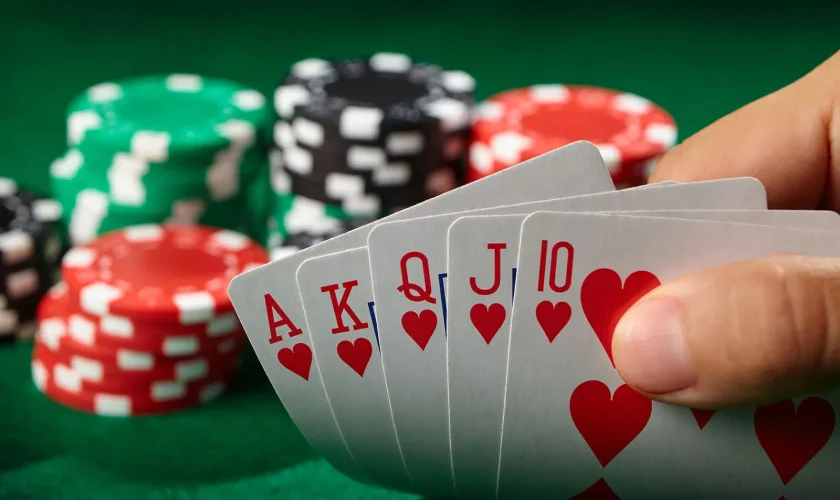
Hand Rankings: Understanding the value of combinations from high card to royal flush is essential
-
Pot Odds: Players weigh the risk and reward before calling or folding
-
Position: Being last to act in a round provides critical informational advantage
These elements create a fluid battlefield where knowledge, intuition, and timing reign supreme.
Psychology at the Poker Table
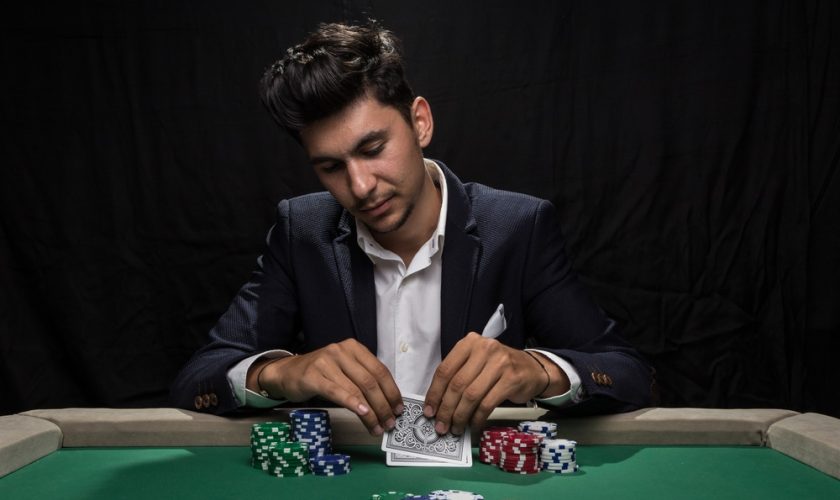
Poker is often described as a battle of minds. Success requires more than cards—it demands the ability to read people. Skilled players observe their opponents’ behaviors, betting habits, and emotional fluctuations to make informed decisions.
Psychological techniques used in poker include:
-
Bluffing: Intentionally misleading opponents to fold superior hands
-
Reading Tells: Subtle physical or behavioral cues that reveal hidden information
-
Controlling Tilt: Managing emotional responses to avoid reckless play
-
Establishing Table Image: Crafting a perception of one’s playing style to manipulate opponents
The psychological dance at the poker table is often more intense than the cards themselves.
The Strategic Depth of Poker
While beginners may rely on luck, advanced players thrive through strategy. The complexity of poker arises from its ever-changing scenarios and human interactions.
Core strategies include:
-
Tight-Aggressive Play: Playing fewer hands but betting strongly when engaged
-
Position Awareness: Acting later in the betting order provides a strategic edge
-
Value Betting: Extracting maximum profit from strong hands
-
Continuation Betting: Following up pre-flop raises with bets on the flop to apply pressure
-
Adjusting to Opponents: Adapting play style based on opponent tendencies
Strategic mastery is not static—it evolves through experience, analysis, and adaptability.
Different Variants of Poker
Though Texas Hold’em reigns supreme, poker exists in many captivating forms, each offering its own flavor of complexity and charm.
-
Omaha: Players receive four hole cards and must use two, often resulting in stronger hands
-
Seven Card Stud: No community cards; each player is dealt a mix of face-up and face-down cards
-
Razz: The lowest hand wins; players aim for the worst possible combination
-
Five Card Draw: A classic form where players draw cards to improve their hands
-
Mixed Games (HORSE): A rotation of several poker variants testing all-around skill
These formats cater to different skills, strategies, and personalities, broadening the appeal of the game.
Online vs. Live Poker
In the digital age, poker has expanded beyond smoky card rooms to sleek online platforms. Each environment offers unique advantages and challenges.
Online Poker:
-
Fast-paced with multiple tables and hands per hour
-
Convenient and accessible at any time
-
Analytical tools and data tracking available
-
Lack of physical tells increases emphasis on patterns and math
Live Poker:
-
Rich in psychological interaction and body language
-
Slower pace allows for deeper reflection and reads
-
Physical presence intensifies pressure and excitement
-
Social aspect enhances the experience
Both formats require skill, but each rewards different strengths and styles of play.
Professional Poker: A Lifestyle of Highs and Lows
For many, poker is a hobby. But for a select few, it’s a career demanding discipline, endurance, and mental resilience. The life of a professional poker player involves grueling travel schedules, volatile incomes, and constant competition.
Key traits of successful professionals:
-
Bankroll Management: Preserving capital during downswings
-
Study and Review: Constantly analyzing hands and strategies
-
Emotional Fortitude: Withstanding variance without losing composure
-
Adaptability: Adjusting to ever-evolving player pools and strategies
It’s not just about winning big pots—it’s about long-term sustainability and personal growth.
The Cultural and Social Significance of Poker
Poker has become embedded in popular culture, often symbolizing high-stakes drama, risk, and cool composure. Movies like Casino Royale and Rounders have romanticized the game, while idioms like “poker face” and “all in” have entered common vocabulary.
Poker also builds social bonds, whether among friends at a home game or adversaries respecting each other in competition. Its universal appeal lies in its balance of luck and skill, its simplicity and depth, and its ability to mirror the complexities of human interaction.
Responsible Poker: Playing with Intention
As with any game involving money, responsible play is paramount. Poker can be exhilarating and rewarding, but it also demands self-awareness and boundaries.
Tips for responsible poker:
-
Set time and financial limits before playing
-
Never chase losses or gamble emotionally
-
Take breaks to maintain focus and perspective
-
Remember that poker is a game—winning or losing doesn’t define your worth
Approaching the game with a healthy mindset ensures lasting enjoyment and personal well-being.
Conclusion: Poker’s Enduring Allure
Poker is a game that rewards intellect, character, and emotional control. It challenges players to balance calculation with creativity, logic with instinct, and patience with aggression. Its beauty lies not just in the thrill of a winning hand but in the lessons it teaches—about risk, resilience, and reading people.
Whether you’re a casual enthusiast or an aspiring professional, poker invites you to sit at the table, test your mettle, and perhaps, find a bit of yourself in the process.