

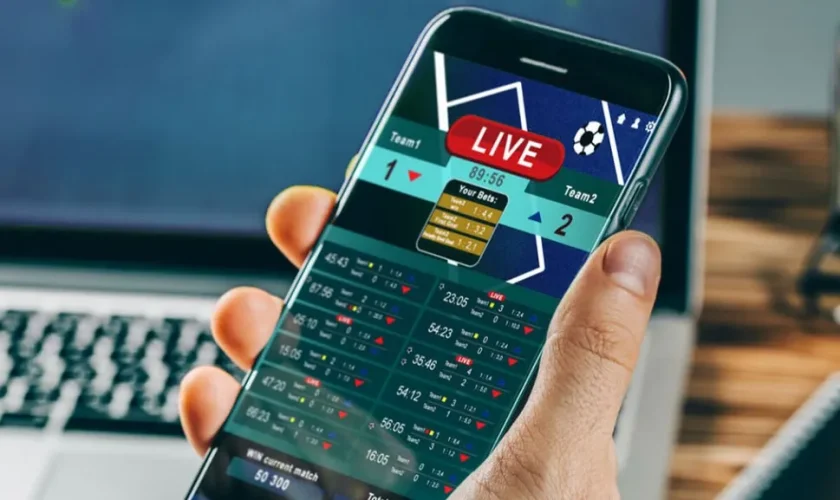
Live in-play betting has completely transformed how sports fans engage with their favorite games. Instead of locking in a wager before kickoff and waiting nervously until the final whistle, bettors can now analyze the flow of the match, evaluate momentum shifts, and place bets in real time. The dynamic nature of live odds, which fluctuate second by second based on what is happening on the field, court, or pitch, offers incredible excitement and unique opportunities for profit.
However, this fast-paced environment also creates severe traps for the unwary. Without proper discipline and strategy, the speed of live betting can quickly deplete a bankroll. To help you navigate the live markets more effectively, here is a breakdown of the most common mistakes bettors make during live in-play betting and how you can avoid them.
Chasing Losses After an Early Setback
One of the most dangerous psychological traps in sports betting is the urge to chase losses. This phenomenon is amplified tenfold during live betting because the next game, the next quarter, or the next play is always just moments away.
When a pre-match bet loses early, or a live wager goes sideways in the opening minutes, panic often sets in. Bettors frequently feel an intense psychological need to win their money back immediately. This leads to reckless wagering on unfavorable odds, higher stakes than initially planned, and bets placed on markets or sports the bettor knows little about.
How to Avoid It
-
Stick to the Game Plan: Establish your daily or match-specific bankroll limit before the event begins, and treat that amount as a fixed entertainment expense.
-
Accept Variance: Recognize that losses are a normal part of sports betting. Forcing a recovery bet almost always results in deeper financial holes.
-
Take a Timeout: If you experience a frustrating loss, step away from the screen for at least fifteen minutes to clear your head before placing another wager.
Fail to Factor in the Time Decay and Match State
Many beginners treat live odds as if they operate in a vacuum, ignoring the ticking clock and the exact state of the game. In sports like soccer, basketball, and hockey, time is a finite and critical resource.
For instance, betting on a trailing team to mount a comeback at short odds makes sense in the 30th minute of a soccer match, but that exact same bet becomes a terrible proposition in the 88th minute. As time dwindles, the probability of a team scoring or turning the game around drops precipitously, yet sportsbooks often adjust odds aggressively to tempt desperate bettors.
How to Avoid It
-
Calculate Implied Probability vs. Time: Always ask yourself if realistically enough time remains for the event you need to happen.
-
Monitor the Pace of Play: A team might be down by two goals, but if they are playing conservatively or struggling to maintain possession, the remaining time is effectively worthless.
Betting Based Entirely on Emotion and Fan Bias
Watching a game live evokes powerful emotions. Whether you are cheering for your hometown team or watching a fierce rivalry unfold, your brain is naturally wired to root for a specific outcome. Unfortunately, betting with your heart rather than your head is a guaranteed way to lose money over the long term.
Fan bias causes bettors to misjudge the capabilities of their preferred team, overrate a temporary burst of momentum, or ignore glaring defensive vulnerabilities. In live betting, this emotional attachment often translates into irrational doubling down on a sinking ship simply because you want your team to win.
How to Avoid It
-
Bet Objectively: If you cannot remain impartial while watching a specific team play, simply avoid betting on their matches altogether.
-
Trust the Data: Rely on cold, hard statistics and visual evidence rather than gut feelings or emotional loyalty.
Ignoring the Importance of Bankroll Management
Live betting moves at a blistering pace. Markets open and close rapidly, odds shift with every possession, and the temptation to place multiple quick bets in succession is constantly present. This high-frequency environment makes traditional bankroll management harder to maintain, leading many bettors to wager erratic amounts without a coherent strategy.
When stakes are not properly managed, a single bad quarter or a flurry of unfortunate live bets can wipe out an entire week of disciplined profit.
How to Avoid It
-
Use Fixed Stake Sizing: Determine a standard unit size, such as one to two percent of your total bankroll, and stick to it regardless of how enticing a live line looks.
-
Avoid Martingale Systems: Do not double your bet size after every loss to recoup funds quickly; this strategy will eventually lead to catastrophic failure when you hit a prolonged bad run.
Failing to Watch the Game Live
Placing live bets solely by staring at a statistical ticker, a live text commentary, or a betting app interface is a massive mistake. Numbers and text updates do not capture the flow, physical exhaustion, tactical adjustments, or body language of the players on the field.
A team might dominate the possession statistics in a soccer match, but if they look completely disorganized in the final third and their star striker is hobbling with an injury, a statistical dashboard will not show you that reality until it is too late.
How to Loop in Visuals
-
Watch the Broadcast: Only place live wagers on games you are actively watching with your own eyes, allowing you to gauge energy levels, weather conditions, and referee tendencies.
-
Avoid Blind Stat-Tracking: Use statistics only to validate what your eyes are already telling you about the momentum of the game.
Failing to Account for Bookmaker Latency and TV Delays
Many live bettors assume they are reacting to events the exact second they happen. In reality, television broadcasts are typically delayed by anywhere from five to thirty seconds. Furthermore, online streaming services can lag significantly further behind live action.
Sportsbooks are well aware of this delay and utilize advanced data feeds, often operated by scouts sitting inside the stadium. If you bet on a goal or a major play based on a delayed TV broadcast, the sportsbook may have already suspended the market or adjusted the odds, leading to rejected bets or unfavorable execution.
How to Avoid It
-
Understand the Delay: Factor broadcast lag into your timing, especially when betting on fast-paced sports like basketball or tennis.
-
Watch Official Fast Feeds: If serious about live betting, utilize low-latency official streaming platforms or direct data trackers rather than standard cable feeds.
Frequently Asked Questions
What makes live in-play betting different from traditional pre-match betting?
Live betting allows you to place wagers while the game is actively happening, with odds shifting dynamically based on real-time events. Pre-match betting requires you to lock in your selections before the contest begins with no opportunity to react to gameplay developments.
How do sportsbooks calculate live betting odds so quickly?
Bookmakers use sophisticated algorithms combined with official data feeds directly from the venue. These feeds track metrics like possession, fouls, scoring plays, and time remaining, allowing automated systems to update odds within fractions of a second.
Is it possible to hedge pre-match bets using live betting markets?
Yes, hedging is one of the most popular strategies in live betting. If you placed a pre-match wager on an underdog that takes an early lead, you can often bet on the favorite live at favorable odds to lock in a guaranteed profit or minimize potential losses.
Why do betting markets get suspended frequently during a live game?
Markets are temporarily suspended whenever a high-impact event occurs, such as a penalty kick in soccer, a potential touchdown review in football, or a breakaway in basketball. This prevents bettors from placing wagers on outcomes that have already been decided before the odds can update.
What are the best sports for beginners to try live betting?
Sports with natural pauses or slower pacing, such as tennis, baseball, or American football, are generally easier for beginners. They provide sufficient time between plays or games to evaluate odds and make calculated decisions without feeling rushed.
How does cash-out functionality work during live events?
The cash-out feature allows you to settle your bet early for a dynamic amount determined by the current state of the game. If your team is winning, you can cash out for a reduced profit to avoid a late collapse; if your team is losing, you can recover a portion of your stake before the loss is finalized.